
DOWNLOADS Logistics in World War II: 1939-1945 by John Norris
Logistics in World War II: 1939-1945 by John Norris
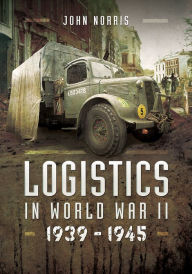
- Logistics in World War II: 1939-1945
- John Norris
- Page: 464
- Format: pdf, ePub, mobi, fb2
- ISBN: 9781473859128
- Publisher: Pen and Sword
Download Book ➡ Link
Read Book Online ➡ Link
Ebook download for free in pdf Logistics in World War II: 1939-1945 by John Norris MOBI
John Norris shows how logistics, though less glamorous than details of the fighting itself, played a decisive role in the outcome of every campaign and battle of World War Two. The author marshals some astounding facts and figures to convey the sheer scale of the task all belligerents faced to equip vast forces and supply them in the field. He also draws on firsthand accounts to illustrate what this meant for the men and women in the logistics chain and those depending on it at the sharp end. Many of the vehicles, from supply trucks to pack mules, and other relevant hardware are discussed and illustrated with numerous photographs. This first volume of two looks at the early years of the war, so we see, for example, how Hitler's panzer divisions were kept rolling in the Blitzkrieg (a German division in 1940 still had around 5000 horses, requiring hundreds of tons of fodder) and the British army's disastrous loss of equipment at Dunkirk. This is a fascinating and valuable study of a neglected aspect of World War Two.
Catalog Record: U.S. Naval logistics in the Second World War
Newport, R.I. : Naval War College Press, 1998. Subjects: United States. > United States. / Navy. Logistics, Naval. World War, 1939-
Logistics - History: Books - Amazon.com
The Logistics of the Roman Army at War (264 B.C. - A.D.235) (Columbia Studies in the Classical Logistics in World War II: 1939–1945.
Logistics in World War II: 1939-1942: 1939-1945 by Norris
Author:Norris, John. Logistics in World War II: 1939-1942: 1939-1945. World of Books USA was founded in 2005. Book Binding:N/A. Book Condition:LIKENEW.
United States Logistics and the American Merchant Marine in
Supplying the Asia-Pacific Theater: United States Logistics and 7 United States., Army Service Forces., Logistics in World War II: Final Report of the voyages and delivered 9,991,513 barrels of oil between 1939-1945.69.
Logistics by land and air (Chapter 21) - The Cambridge
The Cambridge History of the Second World War - April 2015. The German Mark II and III Panzers, which formed the majority of tanks that were used against
