
Read online: Treaty Justice: The Northwest Tribes, the Boldt Decision, and the Recognition of Fishing Rights by Charles Wilkinson
Treaty Justice: The Northwest Tribes, the Boldt Decision, and the Recognition of Fishing Rights by Charles Wilkinson
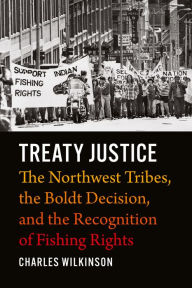
- Treaty Justice: The Northwest Tribes, the Boldt Decision, and the Recognition of Fishing Rights
- Charles Wilkinson
- Page: 296
- Format: pdf, ePub, mobi, fb2
- ISBN: 9780295752723
- Publisher: University of Washington Press
Download Book ➡ Link
Read Book Online ➡ Link
Epub books free download Treaty Justice: The Northwest Tribes, the Boldt Decision, and the Recognition of Fishing Rights by Charles Wilkinson 9780295752723
In 1974, Judge George Boldt issued a ruling that affirmed the fishing rights and tribal sovereignty of Native nations in Washington State. The Boldt Decision transformed Indigenous law and resource management across the United States and beyond. Like Brown v. Board of Education, the case also brought about far-reaching societal changes, reinforcing tribal sovereignty and remedying decades of injustice. Eminent legal historian and tribal advocate Charles Wilkinson tells the dramatic story of the Boldt Decision against the backdrop of salmon’s central place in the cultures and economies of the Pacific Northwest. In the 1960s, Native people reasserted their fishing rights as delineated in nineteenth-century treaties. In response, state officials worked with non-Indian commercial and sport fishing interests to forcefully—and often violently—oppose Native actions. These “fish wars” spurred twenty tribes and the US government to file suit in federal court. Moved by the testimony of tribal leaders and other experts, Boldt pointedly waited until Lincoln’s birthday to hand down a decision recognizing the tribes’ right to half of the state’s fish. The case’s long aftermath led from the Supreme Court’s affirmation of Boldt’s opinion to collaborative management of the harvest of salmon and other marine resources. Expert and compelling, Treaty Justice weaves personalities and local detail into the definitive account of one of the twentieth century’s most important civil rights cases.
Federal Judge George Boldt issues historic ruling affirming
Feb 23, 2003 —
A Legacy Restored: Another Perspective on the Boldt
Feb 24, 2010 —
Treaty Justice The Northwest Tribes, the Boldt Decision, and
In 1974, Judge George Boldt issued a ruling that affirmed the fishing rights and tribal sovereignty of Native nations in Washington State.
Treaty Justice: The Northwest Tribes, the Boldt Decision,
In 1974, Judge George Boldt issued a ruling that affirmed the fishing rights and tribal sovereignty of Native nations in Washington State.
Pacific Northwest Salmon Habitat: The Culvert Case and the
Washington, 1974, the Boldt decision, upheld this fishing right and ruled that the tribes were entitled to 50% of the harvestable portion of salmon returning to
“This Is Not Equal Rights”: U.S. v. Washington and the Origins
Opponents' street protests were imbued with claims that the Boldt decision was a victory for the special treaty rights of area tribes at the expense of the
Treaty Justice: The Northwest Tribes, the Boldt Decision, and
Treaty Justice: The Northwest Tribes, the Boldt Decision, and the Recognition of Fishing Rights:,In1974
Treaty Rights: Twenty Years after the Boldt Decision
by JJ Brown · 1994 · Cited by 41 —
